
Here’s what you need to know about the flag that lately has been called “the mother of all flags”.
A country’s flag represents its religion, the number of the states, values and beliefs. Norway’s flag is a bit more complicated than that.
Norway’s flag is one of the oldest in the world, designed in 1821 by MP Fredrik Meltzer. However, its design it is not unique since all of Scandinavia (except Greenland) uses the iconic Nordic Cross. Its colours are red, white and blue (a colour combination in the flags of the United States, United Kingdom and France to name only three).
The flag of Norway has changed a lot during the year until it reached its final aspect as we know today. The first version was a red flag with a crowned, golden lion holding a silver axe.
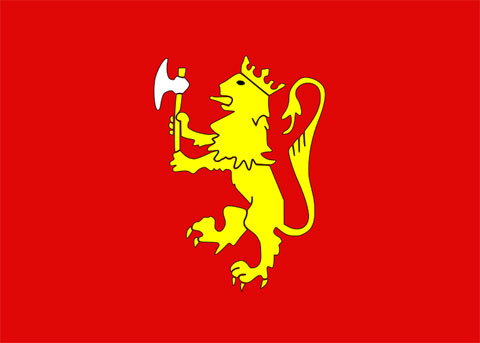
The lion was the symbol for monarchy and the axe was a commemoration of the axe that killed St. Olaf in the Battle of Stiklestad, connecting “Norway’s Eternal King” to the Norwegian government. Apparently, the current flag was born from a mistake when Meltzer’s son accidentally drew something blue while he was drawing the Danish flag. Truth or legends?
We’ve just seen how the Norwegian flag contains the Danish flag while paying tribute to the Swedish flag, but why is it called “mother of all flags”?
Some very sharp-eyed people found out that if you isolate certain parts of the Norwegian flag, you can find seven other flags from different countries.

These are the Flags of Indonesia, Poland, Malta GC, Finland, France, Netherlands and Thailand. Also bear in mind that Monaco’s flag is almost identical to Indonesia’s.
However, we must always remember that each flag has its own history, beliefs and colours!!


 Call Me Later-I'm gone for a while